Following on from our recent Journal piece exploring the growing emphasis on wellness within the home, this month’s Elle Decoration prompted a natural continuation of that conversation. The discussion around calm – and the suggestion that it does not have a singular visual identity – feels particularly relevant as more clients approach design with longevity and lifestyle in mind.
As Amanda Talbot of Studio Snoop observes, ‘calm doesn’t look the same for everyone.’ (68) It’s personal – a visual expression of what allows each of us to feel at ease within our surroundings.
That sentiment invites a broader reflection on what designing calm might mean through the lens of bespoke furniture – and how, much like the word bespoke itself, it resists a singular definition.
“Calm” interiors are often described in broad strokes: pared-back spaces, clean lines and restrained detailing. Yet calm is not confined to minimalism, nor is it defined by one material or cabinetry style alone.
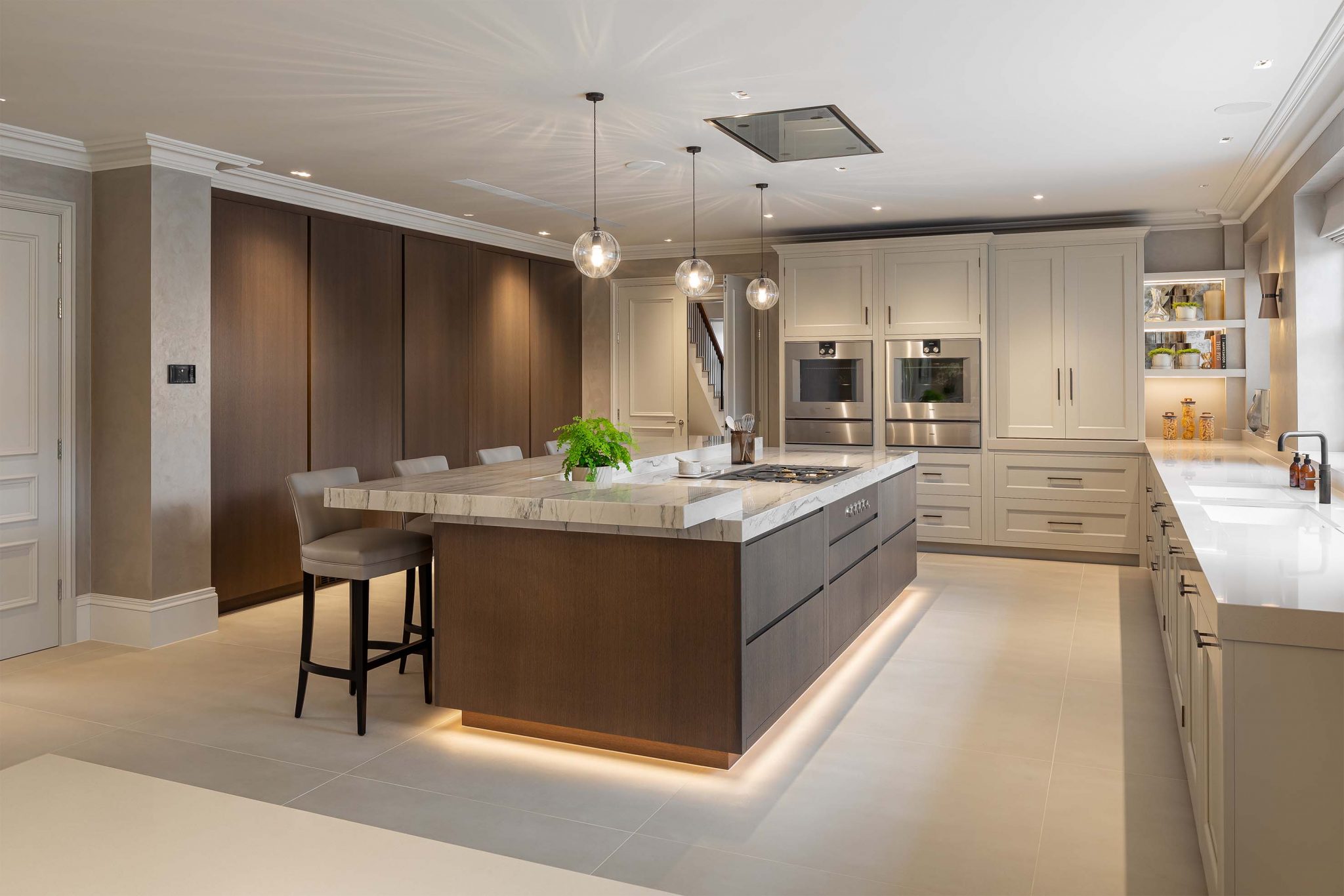
For some, calm in a kitchen may be found in sleek marble surfaces and contemporary flush cabinetry with uninterrupted lines. Integrated storage, precise proportions and seamless joinery that allows the architecture to lead.
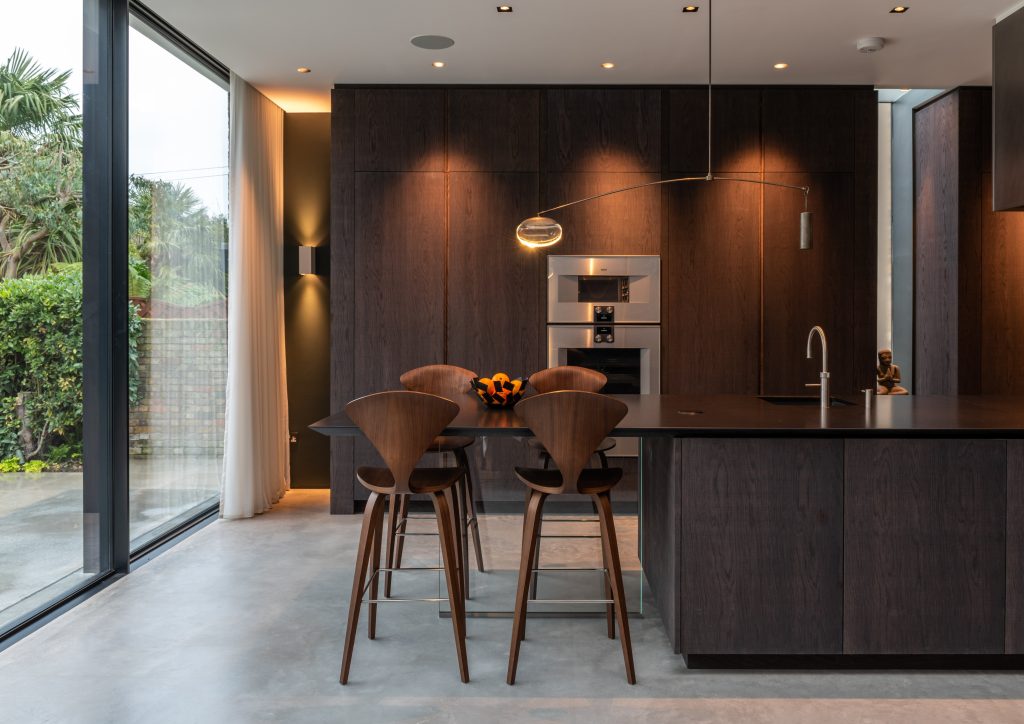
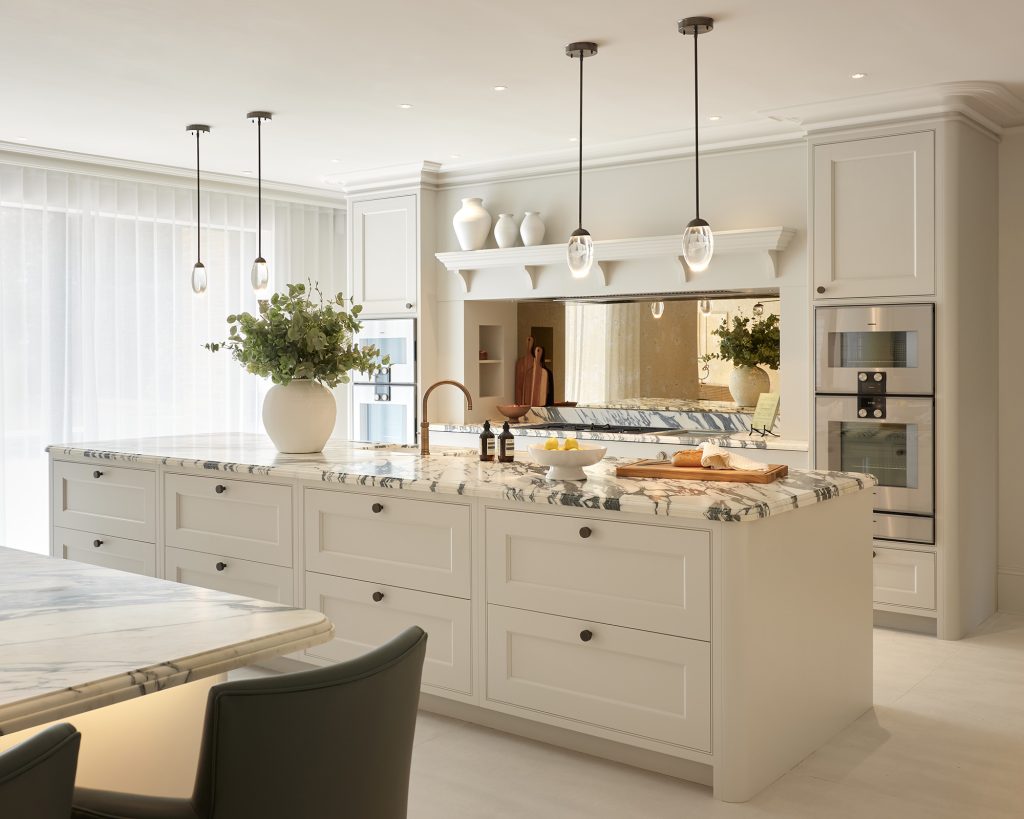
For others, calm is expressed through Shaker simplicity – framed cabinetry, traditional hardware and quiet craftsmanship that feels familiar and grounded. Oak grain visible beneath a hand-applied finish. A layout that prioritises warmth over architectural sharpness.
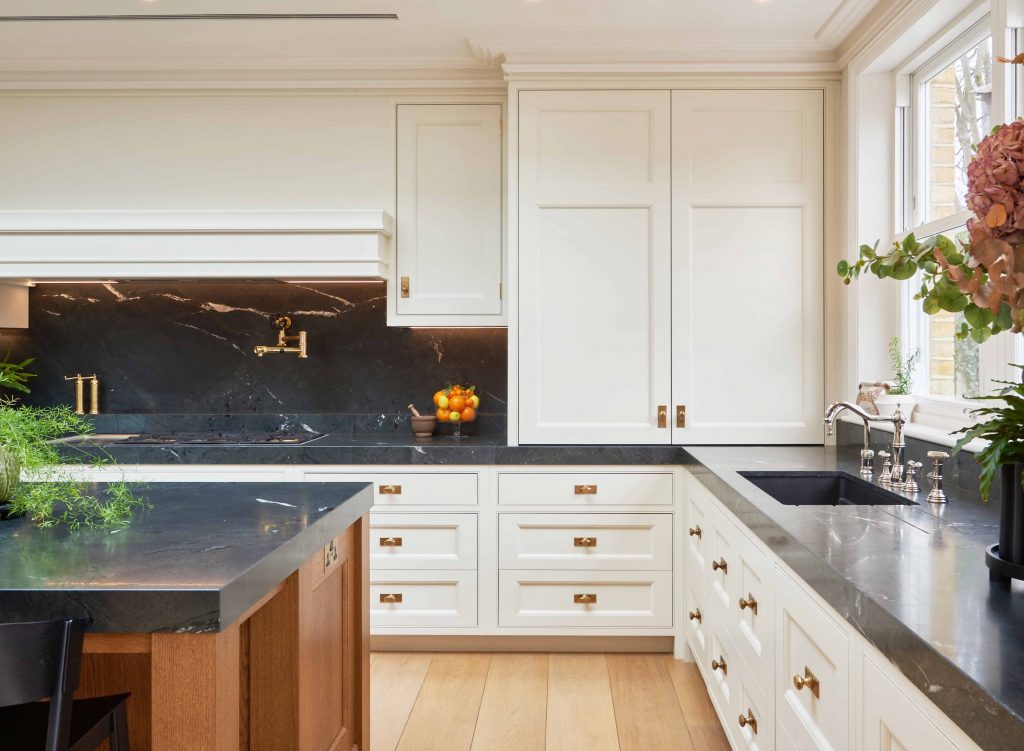
Neither approach is more considered. Neither is inherently more serene.
Calm is personal.
It is shaped by what feels instinctive within the space. Some find reassurance in symmetry and concealed storage – retractable doors closing away appliances at the end of the day, worktops cleared in moments. Others feel more at ease when everyday objects remain visible: ceramics on open shelving, glass jars aligned along timber boards, daily ritual woven into the joinery itself.
The distinction lies not in trend, but in alignment.
At Chamber Furniture, this is where bespoke furniture becomes most meaningful. Cabinetry can conceal or reveal. Materials can feel architectural and refined, or tactile and rooted. Proportion can introduce precision or softness. The detailing is deliberate, yet the outcome should feel effortless.
There is no hierarchy of taste attached to calm. For some, a refined blend of contemporary and traditional elements creates balance. For others, calm may be found in something altogether bolder – luxurious materials, layered textures, even opulence. Serenity does not always whisper; at times it is expressed through confidence and richness of detail.
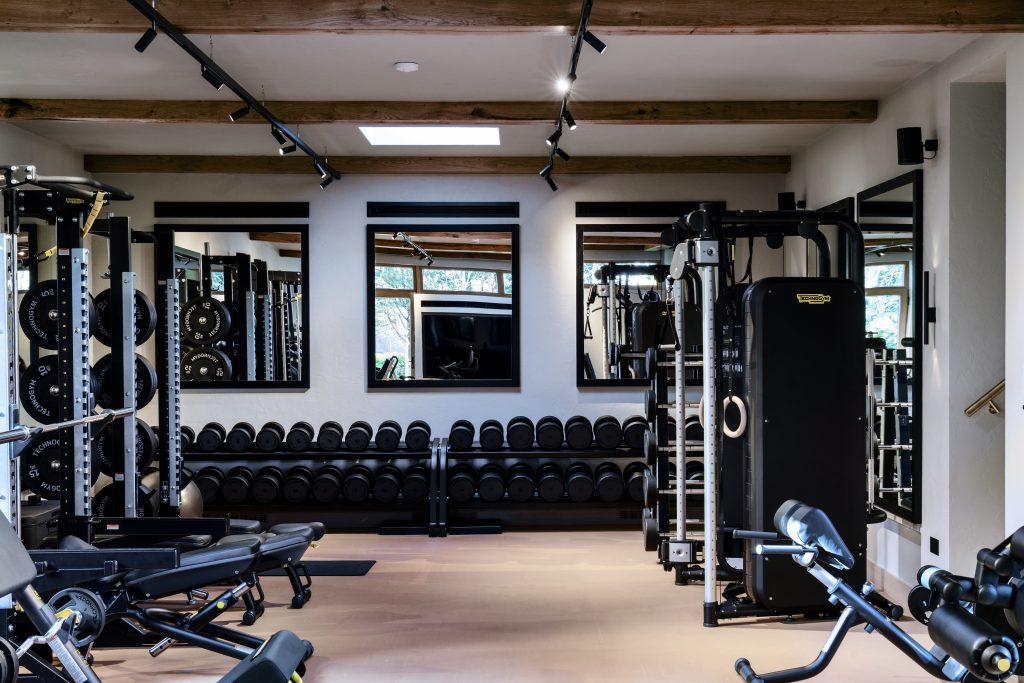
The same thinking applies to rooms shaped around personal pursuits. A music room with tailored record storage. A wine room or bar designed for pause at the end of the day. A wellness or spa area designed for restoration. When furniture is designed around how time is spent, it naturally supports a sense of ease.
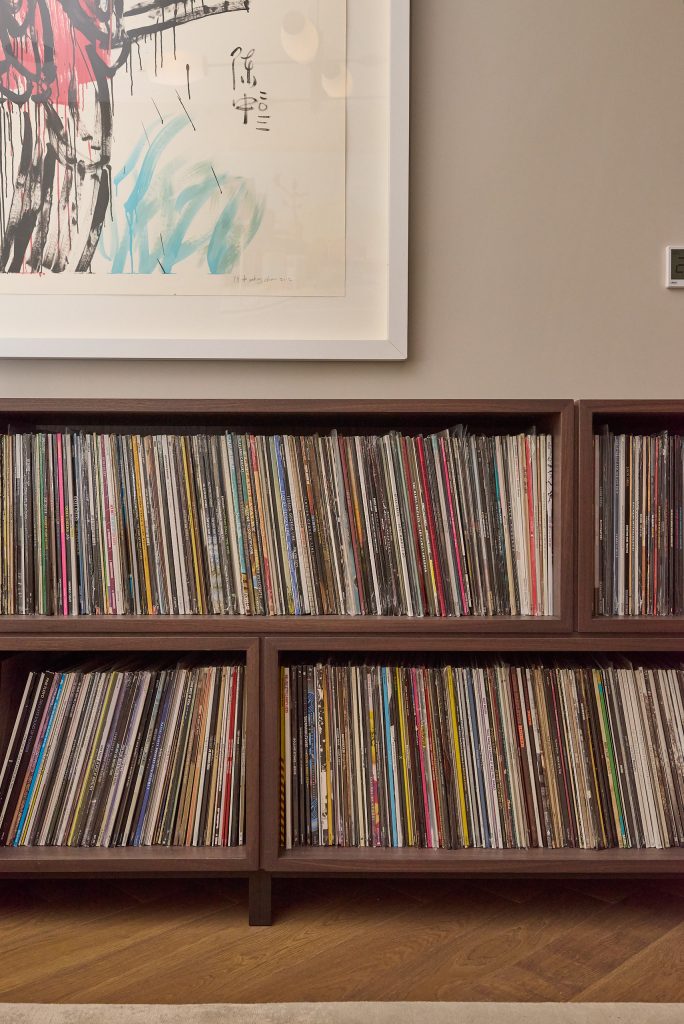
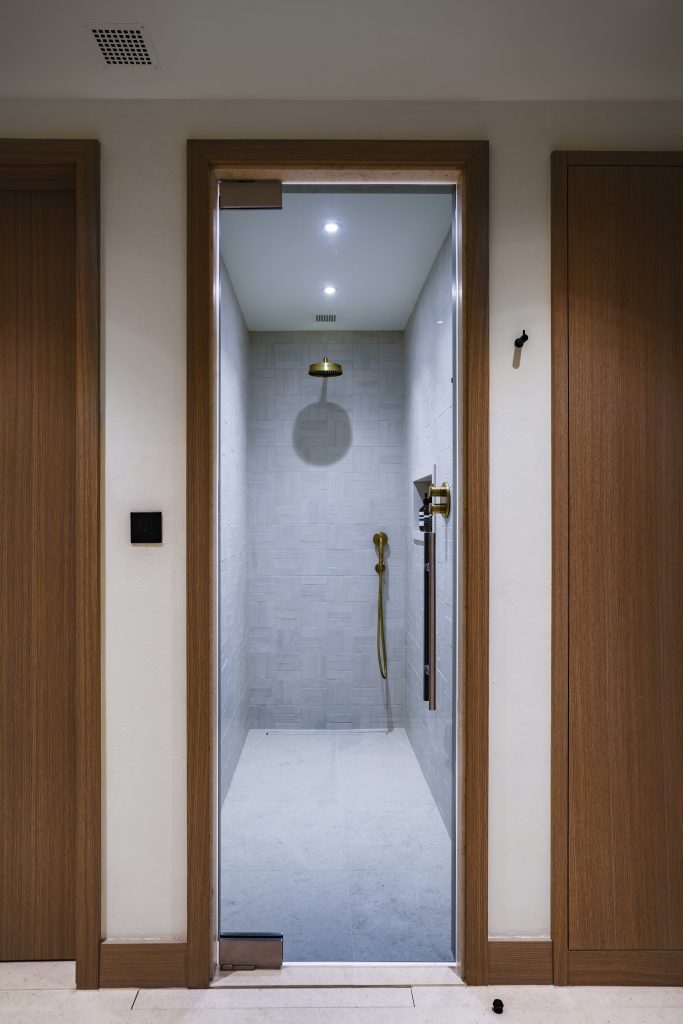
A run of tall cabinetry can bring structure to a busy family space. A carefully framed island can anchor an open-plan setting. Well-balanced joinery gives the eye somewhere to rest.
In a culture quick to prescribe what “serene” should resemble, there is value in defining calm on your own terms.
The most successful spaces are not those that follow a singular aesthetic, but those where furniture feels instinctive – as though it has always belonged.
Calm is not marble or Shaker.
It is not minimal or ornate.
It is furniture designed around you.
Every Chamber Furniture project begins with a conversation.
If you’re considering a bespoke kitchen that seamlessly unites craftsmanship, heritage, and your unique vision, get in touch today. Our team would be delighted to discuss how we can bring your ideas to life with precision and artistry.